Abrasive Blast Machines
Remove coatings and corrosion, clean steel, and prepare surfaces for recoating. Compare Clemco blast machines for touchups, contractor work, production blasting, and large projects with multiple operators.
Find the right machine for the job
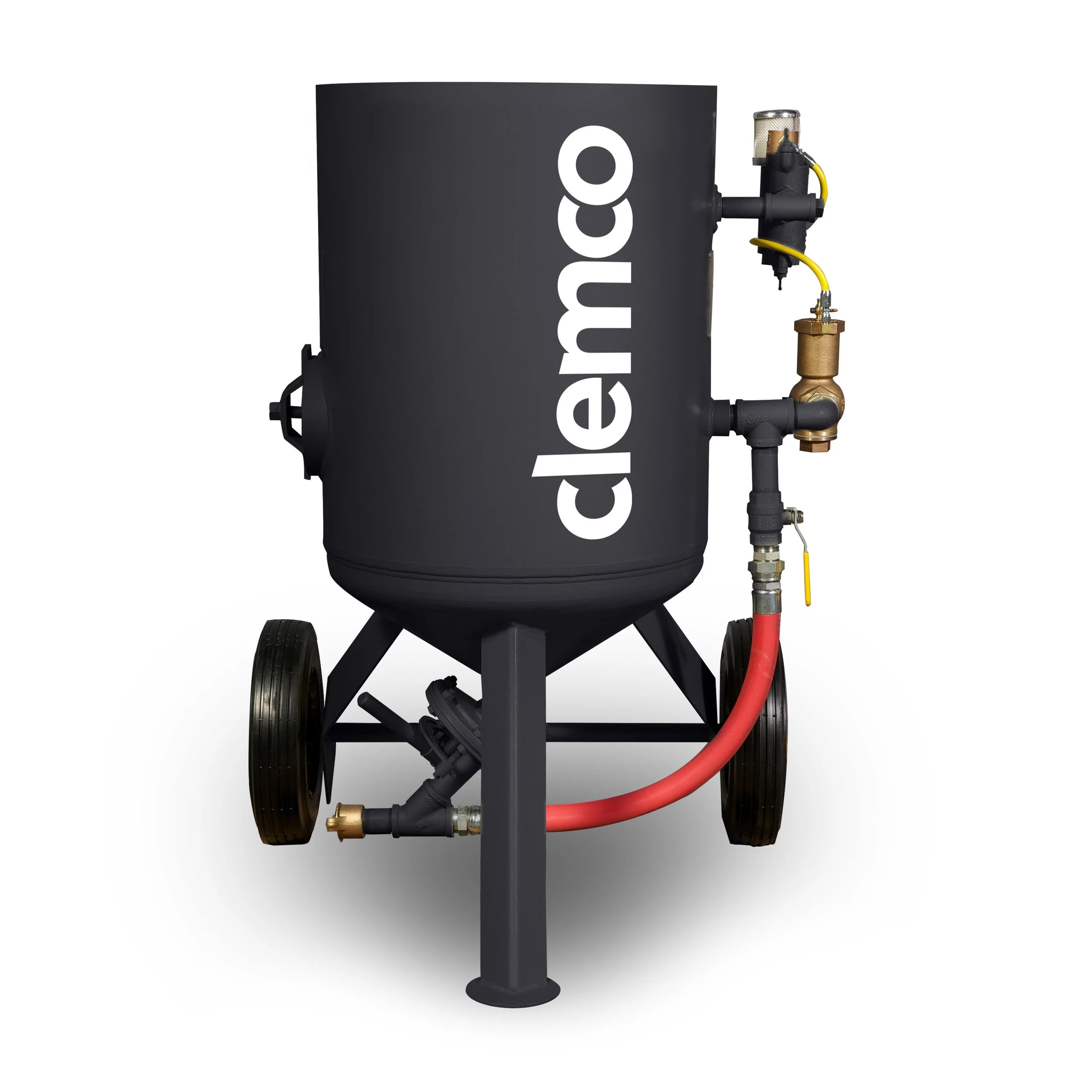
Start with the work you do most often and how your crew moves equipment, loads abrasive, and manages refills.
Portable
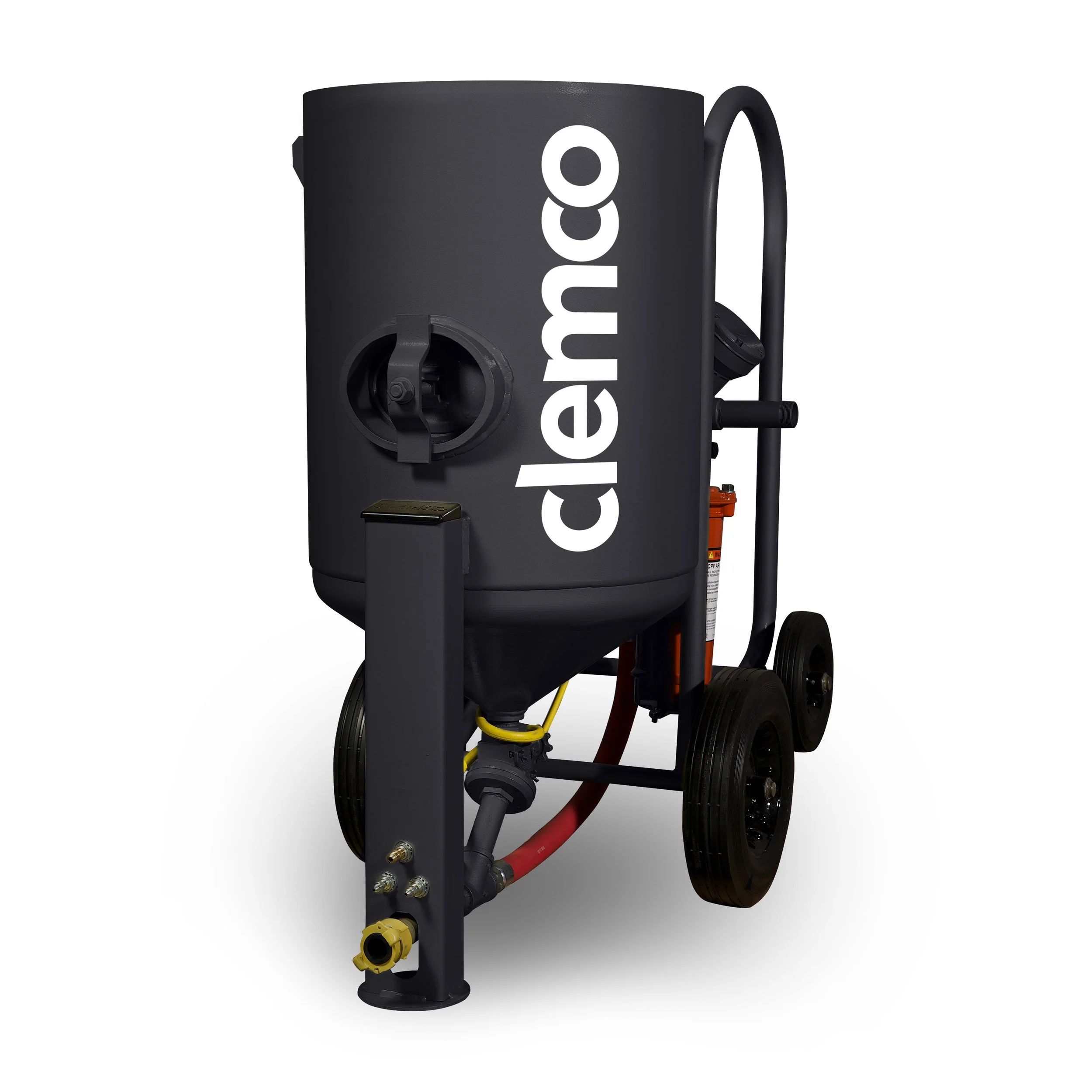
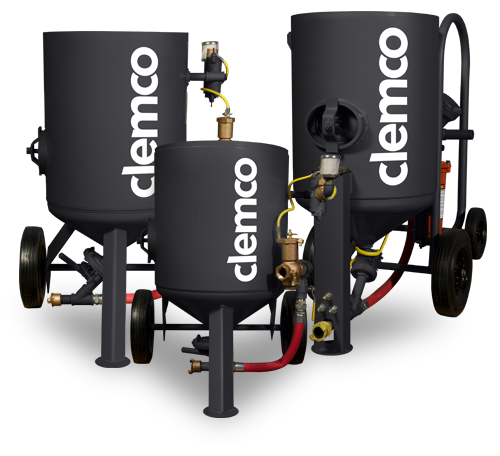
Start with a ½ or 1 cu ft Classic for touchups, spot preparation, and jobs where access limits equipment size.
Contractor
Compare the 3 cu ft Classic, 4 cu ft Contractor, and 6 cu ft configurations for recurring field work and rental use.
Stationary
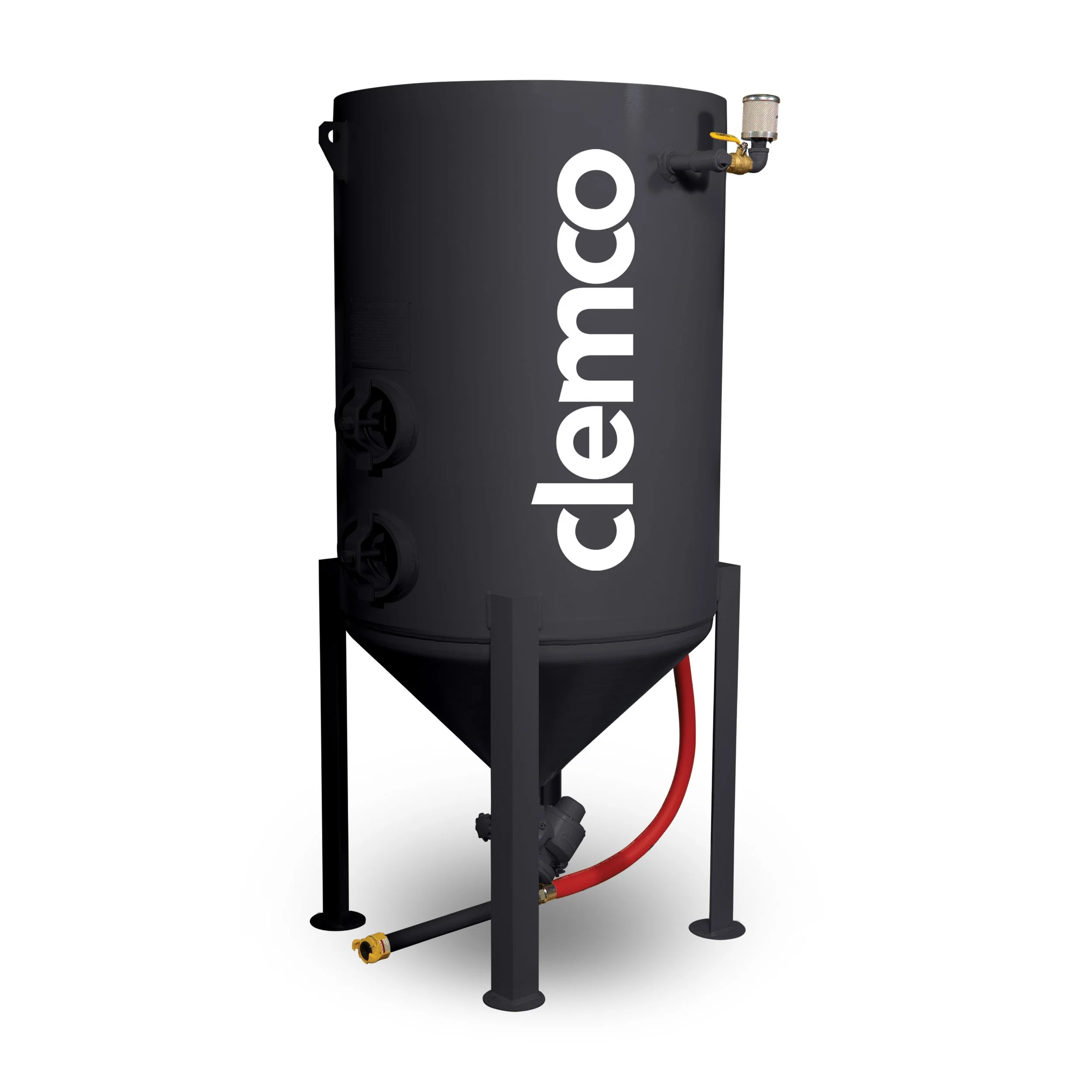
Consider 8 cu ft dual-chamber or 10 or 20 cu ft stationary machines when refills affect throughput.
Bulk
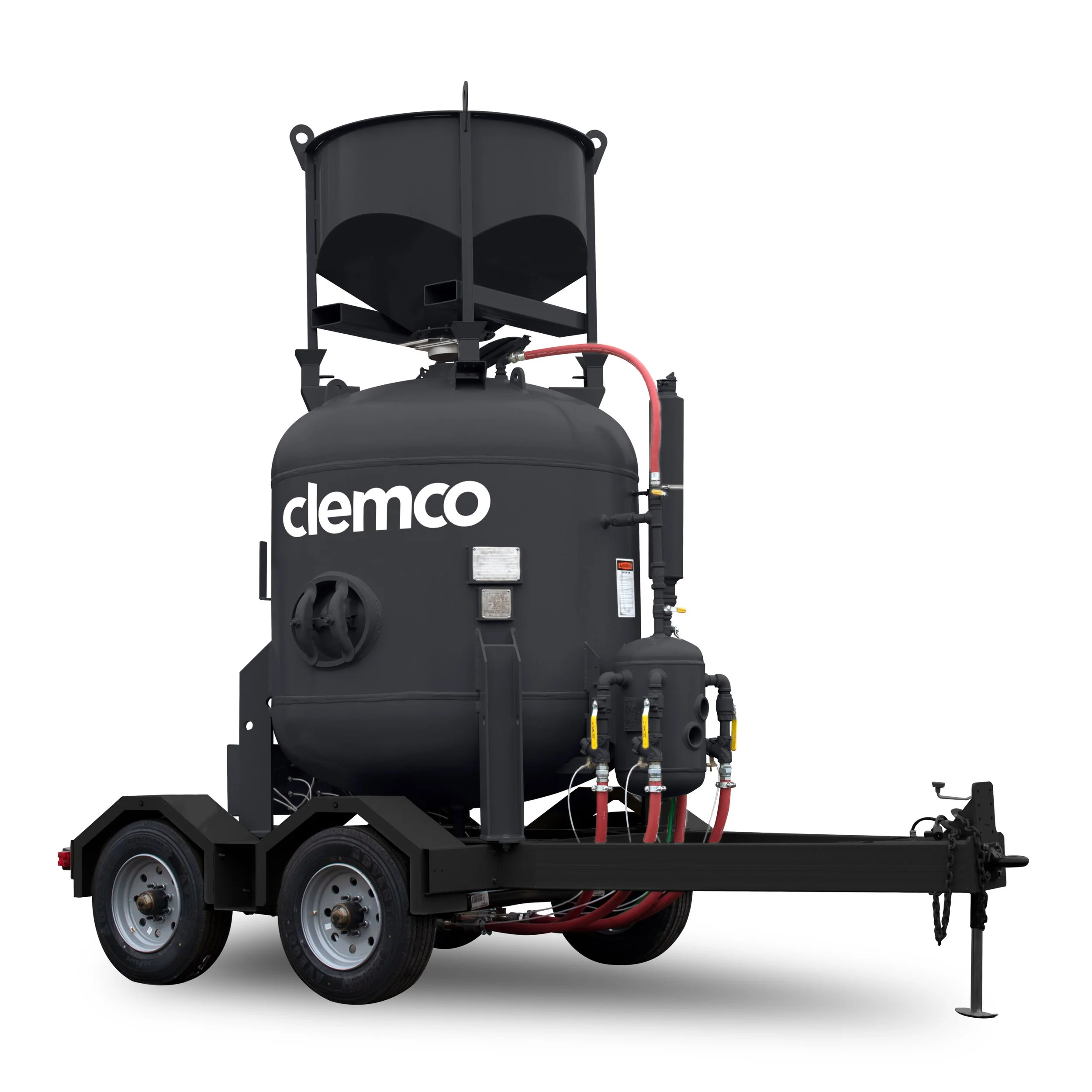
Evaluate Big Clem when large abrasive loads and simultaneous blasting by multiple operators matter.
Wet Blast
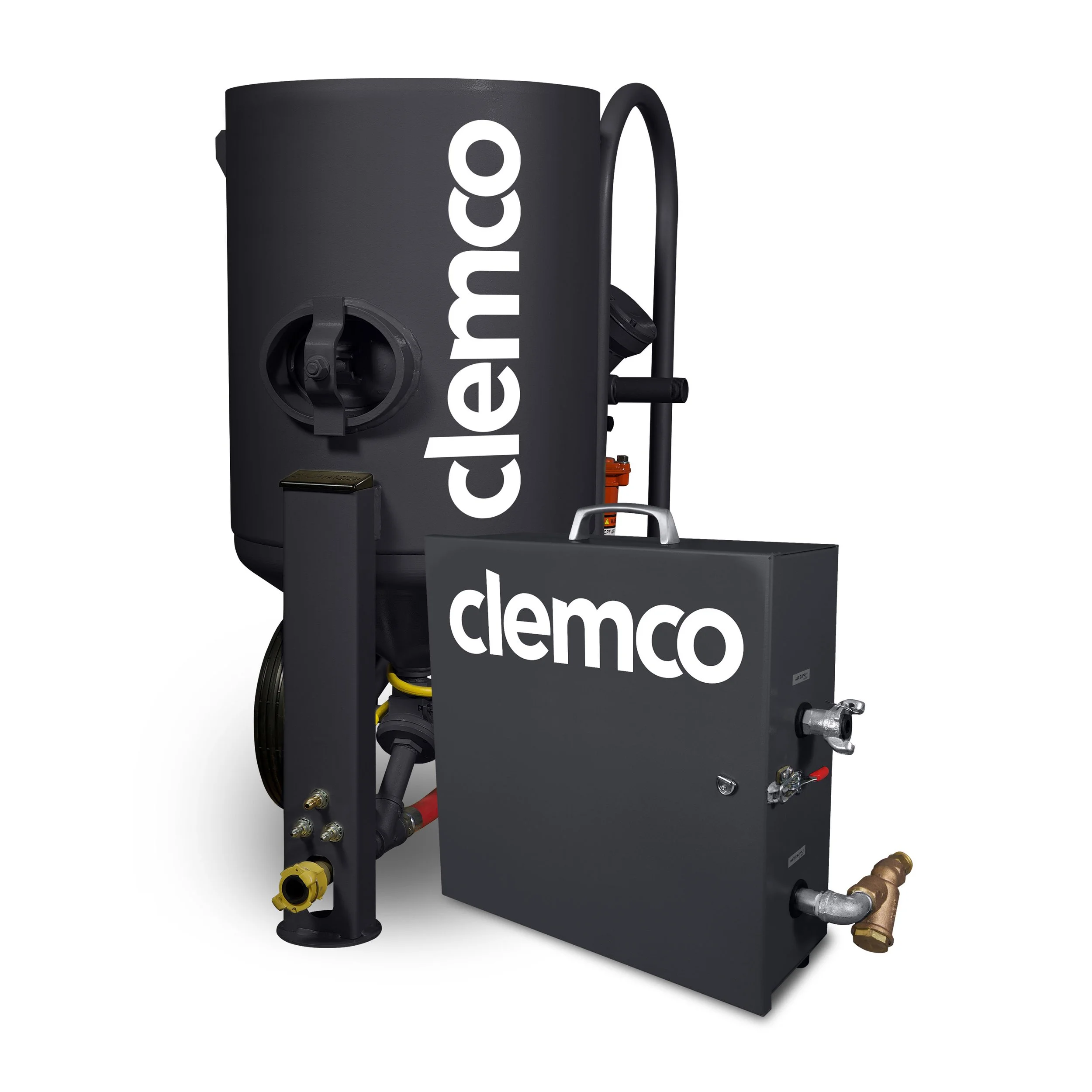
Compare dedicated wet blast equipment and conversion options when airborne dust is a concern.
Abrasive Recovery
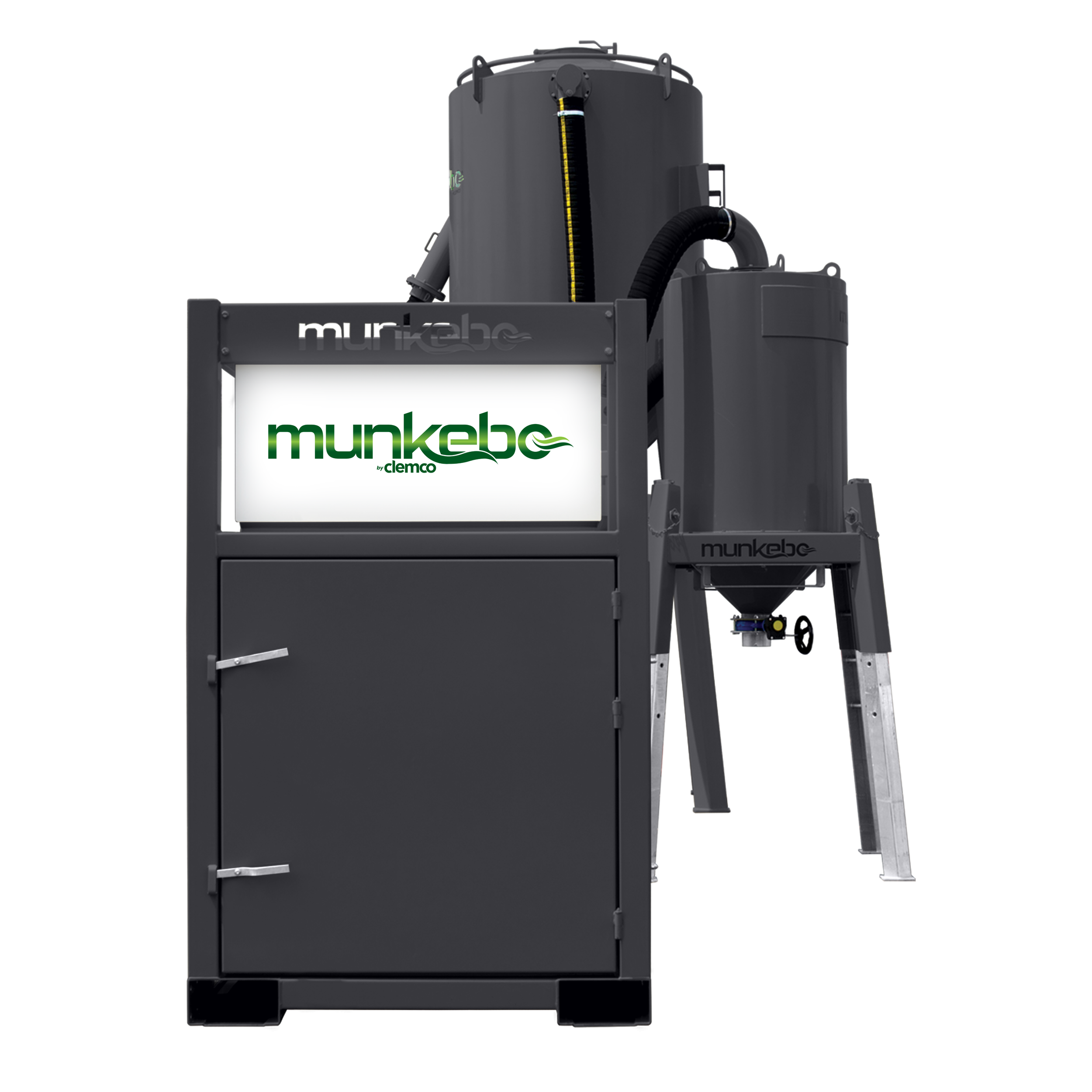
Plan collection and transfer with Munkebo by Clemco vacuum systems alongside the blast setup.
Compare blast machines
Use these options to build a shortlist. Confirm package components and operating specifications before ordering.
| Machine or Configuration | Typical Fit | What to Check |
|---|---|---|
| ½ or 1 cu ft Classic | Touchups and spot preparation | Access, handling, and how often you can refill |
| 3 cf Classic or 4 cf Contractor | Trailers, buckets, mobile field work | Vehicle space and capacity between move |
| 6 cf Classic, Lo-Pot or Contractor | Recurring field and rental work | Loading height, transport, and package configuration |
| 8 cf Dual Chamber | Blast rooms and jobs needing fewer refills | How alternating chambers fit the production workflow |
| 10 or 20 cf Stationary | Longer runs from a staged location | Space, abrasive delivery, & transport or installation plan |
| Big Clem Bulk Blasters | Large projects with multiple operators | Outlet count, air demand, and bulk abrasive logistics |
| Wet Blast | Projects prioritizing dust reduction | Water supply, waste collection, & coating requirements |
How to choose a blast machine
Size the package around the work schedule, the air available at the jobsite, and how the crew will replenish and recover abrasive.
How a pressure blast machine works
A blast pot stores abrasive in a pressure vessel. A metering valve feeds abrasive into the compressed air stream, and the hose and nozzle direct it onto the surface. The abrasive and nozzle affect the finish and the amount of air the system needs. Pot capacity affects how much abrasive the machine holds between refills.
Match pot capacity to the work cycle
Estimate how long the crew needs to blast before a planned stop. Then review abrasive consumption and the amount the selected vessel can hold. A compact pot can make sense when the crew moves frequently and has easy access to abrasive. Where waiting on refills interrupts production, compare a higher capacity pot or a dual chamber design.
Size the air supply around the nozzle
Start with nozzle bore and the required pressure at the nozzle. Use the Clemco air consumption charts to estimate demand, then account for nozzle wear, simultaneous outlets, and other equipment that draws from the air supply. Have your distributor confirm the compressor and air line capacity for the complete system.
Plan abrasive handling and recovery
Identify how abrasive will arrive, where it will be staged, and how the crew will collect spent material. Loading height can drive a choice between 6 cu ft configurations. At a shipyard or a large infrastructure site, bulk delivery and vacuum recovery may change where the crew positions the machine and how it stages the work.
Choose between wet and dry blasting
Review the coating specification and jobsite restrictions first. Wet blasting can help reduce airborne dust. It also introduces water supply, collection, and drying considerations. Confirm how the cleaned surface will be evaluated and what the coating specification requires before recoating.
What to bring to your distributor
Surface material and coating to remove
Required surface finish or profile
Expected blast time and operator count
Available compressor capacity
Abrasive type and delivery method
Site access and recovery requirements
Blast machines in the field
Water tower refurbishment
A municipal maintenance contractor needed to remove old coatings and corrosion from steel water towers at remote sites. Clemco configured mobile blast equipment with bulk abrasive capacity and multiple outlets to support simultaneous blasting and longer runs between refills.
Steel trestle bridge restoration
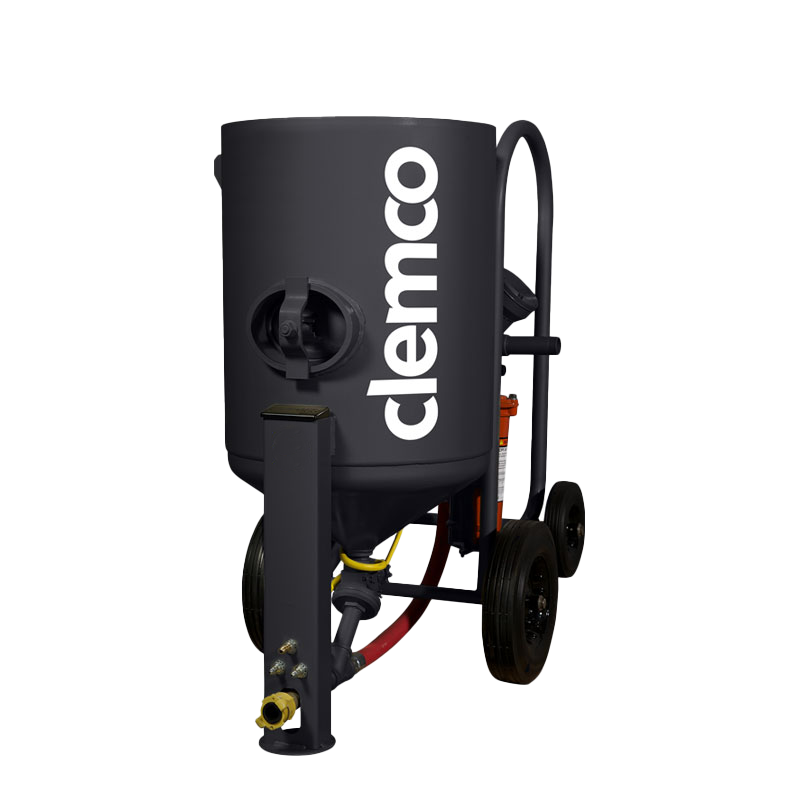
A bridge contractor needed equipment it could deploy at sites with difficult access and challenging working conditions. Clemco selected 6 cu ft portable machines that balanced mobility with abrasive capacity and configured them for the field workflow to support efficient, reliable blasting operations.
Customer Testimonial
Specifications & Resources
Check the package brochure for model details, the manual for your exact configuration, and the reference charts for air and abrasive planning.
Blast Machine FAQs
-
Start with the abrasive you expect to consume between planned stops. Compare that with the pot capacity, then check how the machine will be transported and loaded. A compact machine can suit touchup work, while frequent refills on long runs may justify a larger or dual chamber configuration.
-
Air demand depends on nozzle bore and operating pressure. Use the Clemco reference charts for a starting estimate. Review nozzle wear, the number of active outlets, and other air demand with your distributor.
-
Compare the Classic as a general purpose option, the Lo‑Pot when a lower loading height helps the crew, and the Contractor when mobility and frequent field or rental use drive the decision. Confirm the valves and other equipment included in your selected package.
-
Evaluate dual chamber equipment when frequent refill stops disrupt a blast room or a production schedule. The 8 cu ft dual chamber design alternates chambers to support continued blasting during the refill workflow.
-
Yes. Big Clem bulk machines can support multiple operators in the right configuration. Size the air supply and abrasive delivery for all outlets that you plan to run simultaneously.
-
Clemco offers wet blast conversion options. Confirm compatibility with your machine and review water supply, collection, drying, and coating requirements with your distributor.
-
Clemco blast machines are available through distributors. Share your location, application, and shortlisted machine when requesting assistance or pricing.
Where to buy Clemco blast machines
Clemco sells through distributors. Contact yours for configuration, availability, and pricing. If you need help getting started, use the Clemco quote request and include your location and the work you plan to blast.
Proven Performance. Rugged Reliability.

Generations of Excellence Transforming Our World, Worldwide since 1941
•
Generations of Excellence Transforming Our World, Worldwide since 1941
•
Generations of Excellence Transforming Our World, Worldwide since 1941
•
Generations of Excellence Transforming Our World, Worldwide since 1941 • Generations of Excellence Transforming Our World, Worldwide since 1941 • Generations of Excellence Transforming Our World, Worldwide since 1941 •